Little Miss Sunshine
A Designer’s First Impressions: Charm That Feels Hand-Picked, Not Stock
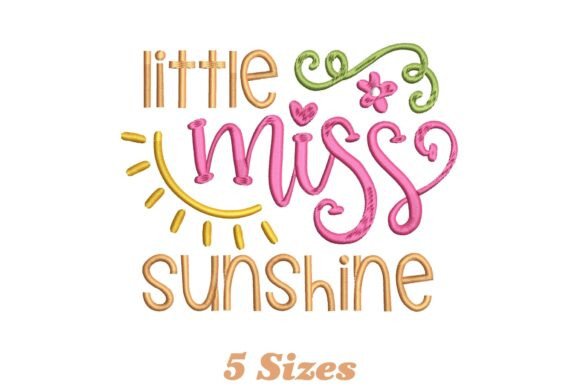
Opening the Little Miss Sunshine embroidery file felt like unrolling a tiny, sun-warmed sketchbook page—immediately warm, gently whimsical, and unmistakably human. As an embroidery designer who tests hundreds of designs each year for baby boutiques, wedding gift studios, and Etsy shops, I don’t just scan for stitch count—I look for *mood resonance*. And Little Miss Sunshine delivers that quietly but firmly. It’s not overly sweet or cutesy; it leans into soft quirkiness—think hand-drawn sunbeams, slightly uneven petals, and a subtle smile that reads as tender rather than saccharine. The line work feels intentional, not auto-traced. That handmade quality is vital when you’re building trust with customers buying personalized gifts for life’s most meaningful moments.
Where This Design Truly Shines: Real-World Personalized Gift Applications
Little Miss Sunshine isn’t a one-note design—it’s a versatile emotional anchor. For baby embroidery, it’s ideal on organic cotton swaddle blankets, muslin burp cloths, and linen crib bumpers where gentle charm matters more than bold graphics. On kitchen towels? Absolutely. Its scale and rhythm translate beautifully to embroidered towel borders or centered motifs—especially when paired with natural fiber textures. Pillow covers gain instant personality with Little Miss Sunshine stitched at the lower corner; blanket embroidery benefits from its compact footprint and low stitch density (no heavy buildup). Wedding gift designers will appreciate how it softens formal linens—a monogrammed napkin set with this motif tucked beside the initials feels thoughtful, not generic. And for craft fairs or Etsy listings? It photographs exceptionally well against neutral backdrops, enhancing product photography without competing for attention.
Beyond Baby: Unexpected Uses That Build Your Small Shop Product Range
- Custom tote bags: Stitched on the front pocket or near the handle seam, it adds warmth to everyday carry items—ideal for new moms, teachers, or gardeners.
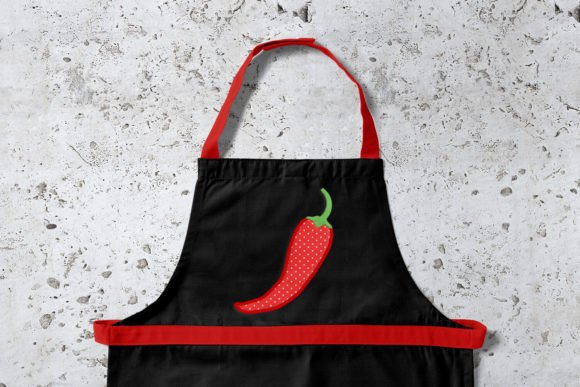
- Aprons for baby showers or bridal kitchens: A small, joyful accent that signals care and celebration—not just utility.
- Nursery decor: Works seamlessly on wall hangings, framed hoop art, or even lightweight mobiles (when digitized with appropriate underlay).
- Personalized keepsakes: Think “First Summer” blankets or milestone photo props—Little Miss Sunshine subtly reinforces seasonal joy without dating the piece.
Where to Use Caution: Practical Embroidery Boundaries
This design shines brightest when matched thoughtfully to fabric and function. Avoid placing Little Miss Sunshine on highly textured fabrics like thick terry cloth without extra stabilizer—delicate sunbeam details can blur or pucker. Stretchy baby clothes (onesies, knit rompers) require careful hooping and lightweight cutaway stabilizer; test first. Curved surfaces—like the rounded edge of a pillow cover or tapered tote strap—may distort fine lines unless digitized with contour compensation (check your file notes). On dark fabric, verify thread color contrast—light yellows or creams may fade visually unless paired with matte metallic or high-contrast pastels. And for frequently washed items (baby bibs, kitchen towels), confirm the stitch density supports durability—dense fills trap moisture, while open satin or stem-stitch outlines hold up better over time.
Why Customers Choose—and Keep Coming Back To—Designs Like This
Giftability isn’t just about aesthetics—it’s about perceived value and emotional safety. When a customer orders a Little Miss Sunshine-embroidered blanket for a newborn, they’re not buying thread and fabric. They’re investing in softness, intention, and quiet optimism. That emotional connection lifts perceived value: a $45 blanket becomes a cherished heirloom because the design feels curated, not mass-produced. For Etsy sellers and small shop owners, that translates directly to higher conversion rates, fewer returns, and stronger buyer engagement—especially when paired with authentic storytelling in listings (“Designed for slow moments and sunny beginnings”). It also builds customer trust: consistent, clean stitching signals professional execution, reinforcing confidence in your entire handmade product line.
Essential Pre-Stitch Checks Every Designer Should Make
- Test on scrap fabric that matches your final product’s weight, stretch, and texture—not just plain cotton.
- Confirm hoop size compatibility before digitizing adjustments or scaling. Some versions may require 4x4”, others 5x7”—verify before prepping customer orders.
- Review stitch density and underlay. Low-density fills are ideal for baby items; dense satin may stiffen delicate fabrics.
- Use appropriate stabilizer: tear-away for stable wovens, cutaway for knits, and water-soluble + tear-away combo for towels.
- Compare light and dark fabric mockups—thread sheen and contrast shift dramatically.
- Check small details post-stitch: Are sunbeam tips crisp? Does the smile read clearly at 3” wide? Zoom in on your finished sample.
- Verify commercial licensing before selling finished products. If the description doesn’t explicitly state commercial use rights for this machine embroidery design, contact the creator before listing on Etsy or fulfilling wholesale orders.
Final Thought: A Design That Grows With Your Business
Little Miss Sunshine is more than a digital embroidery file—it’s a reliable, emotionally intelligent tool for makers who understand that personalized gifts succeed when they feel seen. Whether you’re stitching baby embroidery for a local boutique, curating wedding gift bundles, or scaling your Etsy seller inventory, this design invites repeat use without repetition. It adapts across categories, honors fabric integrity, and carries warmth without overwhelming. In a market saturated with fast trends, Little Miss Sunshine endures—not because it shouts, but because it smiles softly, consistently, and sincerely. Test it. Trust it. Then let it help you make something meaningful.