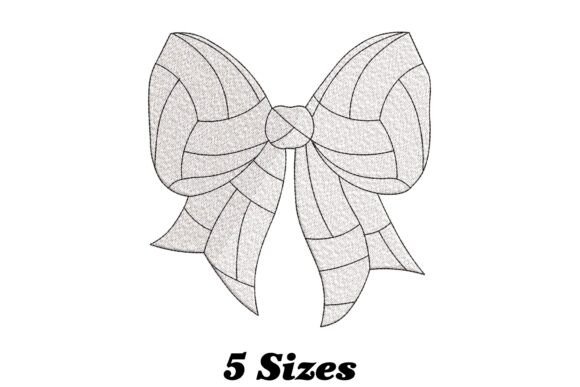
Volleyball Coquette Bow
A Sporty-Playful Spark for Craft Fair Booths
As an embroidery designer who’s prepped over 200 craft fair booths—and watched which designs fly off tote bags while others gather dust—I’ll tell you straight: Volleyball Coquette Bow lands with a confident, cheerful bounce. It’s not farmhouse. Not minimalist. Not rustic or vintage. It’s sporty yet playful—a rare and marketable blend that reads instantly at arm’s length. That “coquette” twist adds flirtatious charm without sacrificing athleticism, making it ideal for customers who love spirited, feminine energy in their handmade products.
Where Volleyball Coquette Bow Shines On Real Craft Fair Products
This machine embroidery design thrives where personality meets practicality. Here’s how it performs across your most common booth items:
- Tote bag design: Centered on the front of a natural canvas or heather grey tote, Volleyball Coquette Bow becomes an instant conversation starter—especially paired with a coordinating volleyball-themed tag or ribbon pull.
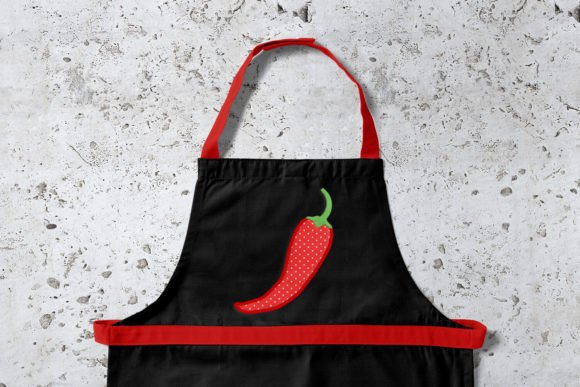
- Apron embroidery: Positioned just above the pocket or centered on the bib, it balances utility and whimsy. Customers love aprons that say “I cook *and* I spike.”
- Tea towel embroidery: Works beautifully on the lower corner or folded hem. The bow’s curves echo fabric drape, and the volleyball motif reads clearly even when the towel is bunched or hung.
- Embroidered patch: A standout option. Stitch Volleyball Coquette Bow onto twill or denim patches—then sell them individually or pre-applied to pouches and caps. Patches let buyers personalize *their own* gear, expanding your reach beyond finished goods.
- Caps and fabric pouches: Use scaled-down versions (test first!) on the front of structured baseball caps or flat-bottomed drawstring pouches. The bow’s symmetry handles curvature well—if hoop size and stabilizer are right.
- Pillow covers and market bags: As a large focal design (3.5–4.5 inches wide), it adds premium handmade appeal. Buyers perceive higher value when stitching feels intentional—not generic.
What Makes It Sell—And What Requires Caution
Volleyball Coquette Bow wins on clarity and emotional resonance. At a glance, shoppers grasp its theme, tone, and audience—no decoding needed. That’s gold for craft fairs, where attention spans last under three seconds. It photographs cleanly for Etsy listings and printable mockups, especially against light neutrals or sporty palettes (navy, coral, kelly green). Its repeatable shape also supports batch production: once you dial in tension and stabilizer, you can run 12 tea towels in under two hours.
But don’t skip due diligence. This design demands thoughtful execution:
- Dense stitch areas: The bow’s center knot and volleyball’s cross-stitch lines may compress on thick fabric or textured towels—test on your exact substrate before committing.
- Small details: If the original embroidery file includes fine netting or tiny stitching on the ball, those elements risk blurring on dark fabric or at sizes under 2.75". Confirm visibility before using as a small accent.
- Curved surfaces: Caps and pouch gussets require proper hooping technique and cutaway + tear-away stabilizer combo. Skip this step, and the bow loses definition.
- Fabric texture: Highly napped fabrics (like terry cloth) or loosely woven linens may swallow delicate thread paths. Opt for smoother cotton blends or pre-shrunk canvas for best results.
Design Notes Every Embroidery Business Owner Should Follow
Before adding Volleyball Coquette Bow to your product lineup, treat it like a new team member—vet it thoroughly:
- Run a test on scrap fabric matching your intended product—same weight, weave, and dye lot.
- Check thread contrast: light threads on dark fabric often need an extra top-stitch pass; dark threads on light may require matte poly for softness.
- Review spacing between bow loops and volleyball outline—tight gaps can cause thread nesting or skipped stitches.
- Confirm hoop size compatibility. If your embroidery file pushes 4.75", verify your machines support that comfortably—especially on smaller-capacity home machines.
- Inspect stitch density. Overly dense fills increase production time and wear on needles; too sparse looks unfinished. Aim for balanced coverage that holds shape after washing.
- Match stabilizer to end use: cutaway for stretchy knits (t-shirts), tear-away for stable wovens (tea towels), and fusible + tear-away for caps.
- Create at least one real mockup—not digital only. Hold it in natural light. Drape it. Fold it. See how the bow moves with the fabric.
- Compare fabric colors side-by-side. A coral volleyball pops on navy—but fades on rust. Swatch first.
- Verify commercial licensing status. As an Etsy seller or small shop product maker, you need explicit permission to sell finished goods made from this digital embroidery file.
Why Volleyball Coquette Bow Strengthens Your Entire Booth
This isn’t just another sports embroidery—it’s a mood enhancer. It lifts visual appeal without shouting, adds perceived handmade quality through thoughtful composition, and reinforces brand consistency if you curate around active-lifestyle themes (think matching apron + pouch + tea towel sets). At craft fairs, Volleyball Coquette Bow draws in teens, college athletes, PTA volunteers, and fitness instructors alike—broadening your buyer pool. It also encourages engagement: customers snap photos, ask about the story behind “coquette,” and often buy multiples (“I need one for my sister’s team!”).
Most importantly, it proves you understand what makes a craft fair product work: instant recognition, emotional connection, and flawless execution. When stitched well, Volleyball Coquette Bow doesn’t just decorate fabric—it invites belonging.