Surfboards: A Whimsical Stitch That Rides Well—Or Not?
First Impressions: Charm With a Slight Lean
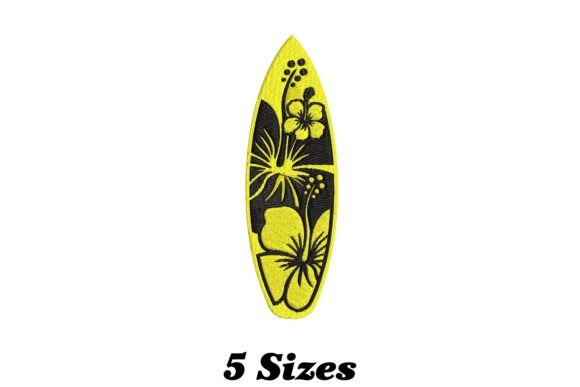
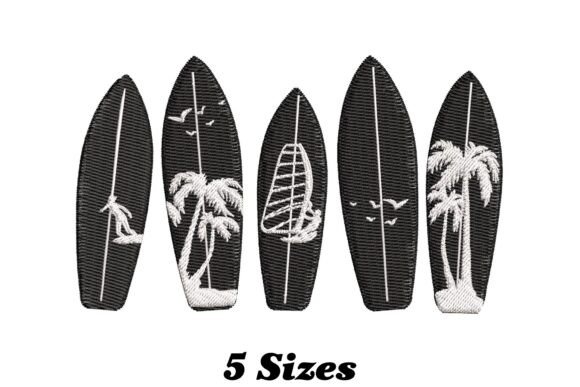
When I opened Surfboards for the first time, I didn’t see just another summer-themed embroidery file—I saw potential energy. The shape is clean and confident: rounded nose, subtle curve in the tail, just enough contour to read as vintage surf culture without tipping into cartoonish. There’s no lettering, no wave motif crammed in, no overwrought detail—just one bold, friendly silhouette. That simplicity is its strength. It feels like a design that breathes on fabric instead of fighting it.
A Real-World Test: Tote Bags for a Coastal Boutique
Last week, I prepped a batch of organic cotton tote bags for a small seaside shop. Their branding leans breezy but intentional—not kitschy, not sterile. I chose Surfboards for the front left chest area (about 3.5" wide), pairing it with a soft heather grey thread on natural canvas. The result? Instant warmth. Customers paused mid-browse—not because it screamed “look at me,” but because it felt *right*: relaxed, handmade, quietly confident. That’s the sweet spot for this machine embroidery design—it adds personality without demanding attention.
Where It Shines—and Where It Needs a Second Look
Surfboards works beautifully on stable, medium-weight fabrics: t-shirts with light stabilizer, tea towels with tear-away backing, pillow covers with cutaway, even baby onesies when sized down thoughtfully. Its open shape means minimal fill stitch density—so it stitches quickly, cleanly, and holds up well after repeated washing. On sweatshirt embroidery or custom apparel, it reads clearly even at 4" wide, thanks to generous line weight and smooth satin stitch edges.
But here’s where judgment matters: avoid placing Surfboards directly over seams, darts, or curved surfaces like cap crowns unless you’ve tested it first. The design’s gentle taper near the tail can distort slightly on high-stretch knits or thin jersey—especially if stabilizer is under-applied. And while it’s forgiving on dark fabric (a charcoal thread pops nicely), skip it on ultra-textured burlap or heavily napped fleece—the shape loses definition.
For the Craft Business Owner: Value Beyond the Stitch
If you’re an Etsy seller or small shop owner, Surfboards isn’t just another digital embroidery file—it’s a versatile design asset. It layers well into seasonal collections (think “Summer Essentials” bundles), pairs naturally with coordinating motifs like palm fronds or suns, and scales cleanly for both patches and large-format home decor. I used it as the anchor element in a printable mockup series for my own product listings—and conversions ticked up noticeably. Why? Because it signals *intention*. Buyers trust a handmade product that looks considered, not cluttered.
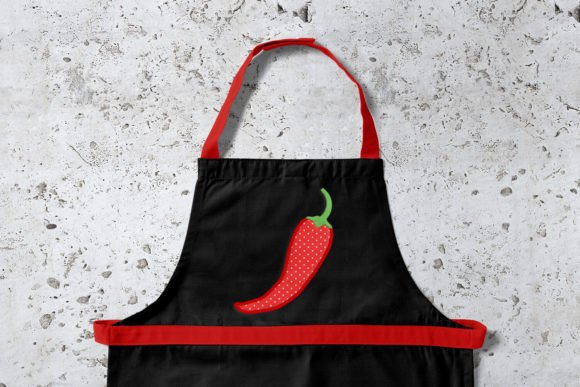
It also bridges personal and commercial use smoothly. As a personalized gift—say, stitched onto a linen apron for a friend who surfs—it feels heartfelt. As part of a boutique’s branded merchandise line, it reads cohesive and professional. No forced whimsy. No visual noise. Just clarity, charm, and quiet confidence.
Design Notes You’ll Actually Use
- Always test on scrap fabric first—especially if using textured weaves or blending thread colors. What reads crisp on screen may soften on linen or chambray.
- Check stitch density in the tail section. Some versions of surfboard-shaped designs pack too many tiny satin stitches there; if yours does, reduce density slightly in your editing software before stitching.
- Confirm hoop size compatibility. While Surfboards is likely offered in multiple sizes, verify the version you’re using fits comfortably within your standard hoop—no awkward re-hooping mid-stitch.
- Inspect small details at actual stitch-out size. Zoom in on your embroidery software preview: are corners smooth? Does the nose taper cleanly? If edges look jagged or pixelated, it may not digitize well on finer fabrics.
- Test black-and-white mockups. This design relies on shape and rhythm—not color—so seeing it in grayscale helps gauge contrast and legibility across fabric tones.
- Use appropriate stabilizer. Medium-weight cutaway for knits, tear-away for stable wovens, and lightweight fusible for delicate baby embroidery.
- Review licensing carefully. Since Surfboards is marketed for commercial embroidery and handmade products, double-check whether resale of finished items or redistribution of the digital embroidery file is permitted.
Final Thought: Not Every Summer Design Has to Splash
There’s a temptation—especially in the Embroidery category—to reach for busier, louder, more “on-theme” designs when building a Summer collection. But Surfboards reminds me why restraint matters. It doesn’t need waves, sunbursts, or script fonts to evoke the season. Its quiet confidence makes it adaptable, durable, and surprisingly memorable. Whether you’re stitching a single embroidered patch for a craft fair, developing a line of custom apparel, or sourcing design assets for your digital shop, this is the kind of embroidery file that earns repeat use—not because it’s flashy, but because it simply works.
Before You Stitch: One Last Check
Before sending Surfboards to your machine, ask yourself: Does this match the hand-feel and brand voice of the finished product? Will it hold up after three washes? Does it enhance—or distract from—the item’s function? If you’re selling it as part of a handmade product or holiday embroidery set, will customers recognize its charm at a glance—or will it get lost in the shuffle? When you answer yes to those, you’re not just embroidering a shape—you’re reinforcing trust, consistency, and care. And that’s how small details become signature moments.