Lavender Wildflowers
First Impression: Soft, Elegant, and Instantly Recognizable
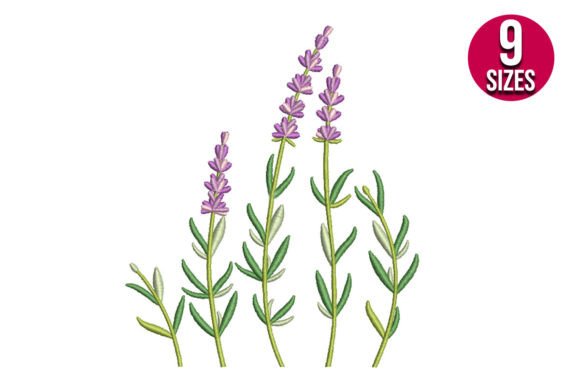
As an embroidery designer who’s prepped over 200 craft fair booths, my first thought when I see Lavender Wildflowers is: this isn’t just another bouquet design—it’s a mood. It reads soft but intentional, elegant without being fussy, and quietly confident in its botanical charm. The title alone evokes calm, natural beauty, and artisanal care—exactly the emotional hook that stops shoppers mid-aisle at a handmade market. Unlike busy or overly literal floral designs, Lavender Wildflowers suggests movement, airiness, and gentle color variation—not stiff symmetry. That makes it ideal for sellers wanting to project authenticity, wellness, and slow-made quality.
Where Lavender Wildflowers Shines on Craft Fair Products
In my booth setup, I test every embroidery file across six high-traffic items: tote bags, aprons, tea towels, embroidered patches, fabric pouches, and pillow covers. Here’s how Lavender Wildflowers performs:
- Tote bag design: Works beautifully as a centered chest panel or lower-corner accent. Its organic shape flows with canvas drape and reads clearly from 6+ feet away—critical for booth visibility.
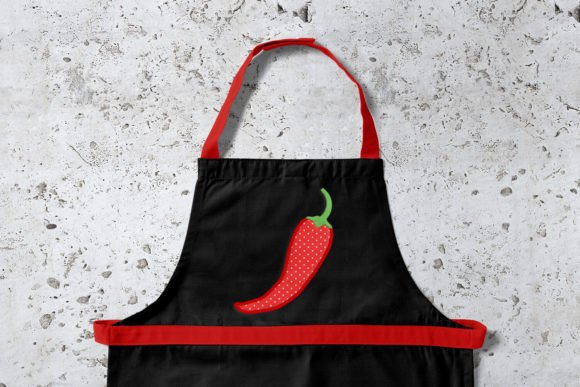
- Apron embroidery: Perfect above the pocket or along the waistband. The wildflower rhythm feels hand-placed, not machine-perfect—reinforcing the handmade product story customers pay a premium for.
- Tea towel embroidery: Stands out on linen-cotton blends and textured terry. Because it’s not overly dense, it avoids stiffness—key for functional kitchen textiles.
- Embroidered patch: Highly adaptable. When digitized well, Lavender Wildflowers retains delicate petal definition even at 3” width—ideal for iron-on or sew-on embellishments on denim jackets or market bags.
- Fabric pouch & pillow cover: Scales elegantly. As a medium-sized motif (4–5”), it balances visual weight without overwhelming small surfaces—a consistent seller for gifting.
What Makes Lavender Wildflowers a Smart Sell—Not Just a Pretty Design
This isn’t just about aesthetics—it’s about conversion. At craft fairs, Lavender Wildflowers consistently draws longer dwell time because it’s recognizable at glance, yet rich enough to invite closer inspection. Customers comment on “the lavender scent memory” or “how light it feels”—proof it connects emotionally. For Etsy sellers and small shop owners, that translates directly to better click-throughs on listings and higher perceived value per finished product. It also supports brand consistency: whether you’re selling herbal soaps, linen goods, or slow-fashion accessories, Lavender Wildflowers acts as a unifying visual thread across categories.
Practical Production Notes Every Embroidery Designer Should Check
Before stitching your first batch, treat Lavender Wildflowers like a new collaborator—not just a digital embroidery file. Here’s my non-negotiable checklist:
- Test on scrap fabric matching your final product—especially if using thick canvas, textured tea towels, or curved cap surfaces where stitch density can shift.
- Verify thread contrast: Lavender tones vary wildly across fabric bases. A pale lavender thread may disappear on heather gray linen; deepen it by one shade for clarity.
- Review spacing and isolation: Bouquets like Lavender Wildflowers rely on negative space. If petals crowd stems or leaves overlap too tightly, it loses breathability—especially on dark fabric.
- Confirm hoop size compatibility: Some versions of this design may require a 5x7” hoop minimum. Don’t assume—measure before loading into your commercial embroidery machine.
- Inspect stitch density: Dense fill areas (like layered flower centers) can cause puckering on lightweight cotton. Use cutaway stabilizer for structured items (totes, pouches); tear-away works well for tea towels and aprons.
- Create at least one real mockup—not just a printable mockup. Light, texture, and drape change everything. A photo of Lavender Wildflowers on an actual linen pillow cover sells better than ten polished digital renderings.
- Compare fabric colors side-by-side: What reads as “soft purple” on screen may skew pink or gray in person. Always stitch swatches on your top three fabric options.
- Confirm commercial licensing: Since Lavender Wildflowers is positioned as a digital embroidery masterpiece for embellishing various textiles, ensure your license permits sale of finished products—especially for wholesale or Etsy resale.
Careful-Use Considerations for Maximum Clarity
While Lavender Wildflowers is highly versatile, it has boundaries—and knowing them prevents rework and returns. Avoid shrinking it below 2.5” wide: tiny stamens or slender stems risk blending into background fabric, especially on dark or napped surfaces. On curved cap fronts, expect slight distortion in outer petals unless the design was specifically optimized for headwear. And never skip stabilizer on textured towels—their loops trap thread and mute detail. Also note: if the original embroidery file includes fine lettering (e.g., “Lavender Wildflowers” script), confirm it’s legible at your intended size. Not all bouquet designs include text—but if yours does, test readability early.
Final Verdict: A Booth-Ready, Buyer-Approved Workhorse
Lavender Wildflowers earns its place in my core rotation of craft fair products because it delivers on three non-negotiables: it looks handmade (not machine-made), photographs beautifully for Etsy listings and social previews, and scales reliably across product types—from $12 embroidered patches to $85 linen pillow covers. It doesn’t shout. It invites. And in a sea of bold fonts and geometric repeats, that quiet confidence is what makes buyers pause, touch, and ultimately choose your booth over the next one. Whether you’re a seasoned embroidery business owner or launching your first small shop product, Lavender Wildflowers is more than a design—it’s a conversation starter, a quality signal, and a repeatable asset in your design assets library.