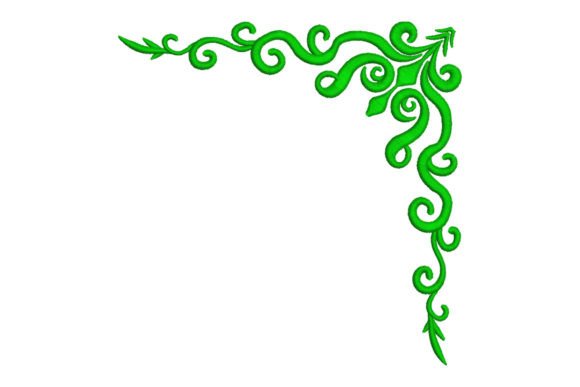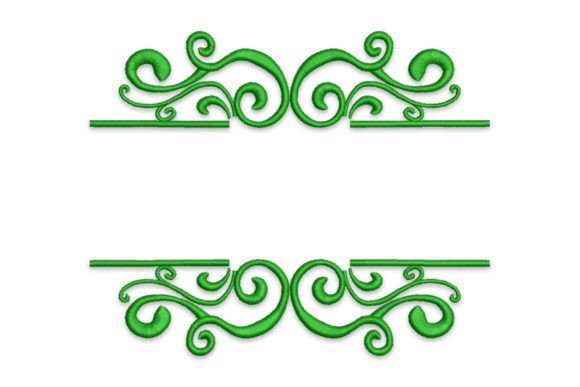
Green Plant Flora Ornament Border
A Craft Fair Designer’s Real-World Review Before Booth Day
As someone who’s stitched, sold, and restocked over 200 embroidery designs across 12 craft fairs and three Etsy shops, I opened Green Plant Flora Ornament Border with a very specific question: Will this stop someone mid-aisle? The answer? Yes—but only if it’s placed right. This isn’t a loud, graphic border. It’s a quiet, confident one: modern botanical, softly structured, and unmistakably handmade. Think “elegant farmhouse” meets “contemporary cottagecore”—not too rustic, not too minimalist, just right for shoppers who want charm without clutter.
Where It Shines on Craft Fair Products
Tote bags: A single Green Plant Flora Ornament Border along the bottom hem or handle seam adds instant sophistication. Customers notice it immediately—not as a logo, but as *intention*. Paired with natural canvas or oat linen, it reads premium without shouting.
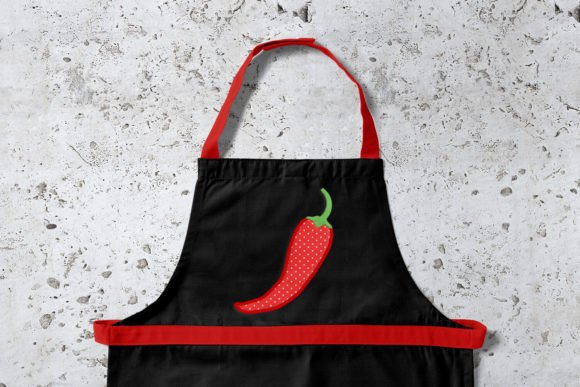
Aprons and tea towels: This is where Green Plant Flora Ornament Border earns its keep. On an apron’s pocket edge or a tea towel’s lower third, it balances utility and artistry. Buyers love that it feels like a detail a designer *chose*, not a default add-on. It photographs beautifully in natural light—soft greens and subtle layering translate well to Instagram and Etsy listings.
Pillow covers and fabric pouches: As a top-edge accent, it frames the product instead of competing with it. Unlike dense floral fills, this border breathes—it doesn’t overwhelm small-scale items. That makes it ideal for gift-ready handmade products where visual calm equals perceived value.
Embroidered patches and caps: Use caution here. While the design is clean-lined, its delicate vine connectors and tapered leaf ends can blur on curved cap surfaces or dense twill patches. Best reserved for flat, stable backings—or scaled up slightly (120–130%) for clarity.
What Makes It Sell—And What Makes It Stall
This machine embroidery design works because it’s instantly legible at booth distance: no tiny lettering, no micro-details lost in translation. Its rhythm—repeating but not rigid—feels hand-drawn, even when machine-stitched. That handmade quality boosts perceived value, especially next to mass-produced prints.
It’s also highly repeatable. You can stitch Green Plant Flora Ornament Border on 20 tea towels in under two hours with consistent tension and stabilizer. No re-hooping gymnastics. No thread breaks from over-stitching. That batch-friendly flow matters when you’re prepping for a weekend market—and when your time is your most valuable inventory.
But don’t assume it’s foolproof. On textured terry cloth towels, the finer tendrils may sink between loops unless you use medium-cutaway stabilizer and reduce stitch density slightly. And on dark fabric? Test contrast rigorously. Some green thread blends disappear against charcoal or navy unless you choose a brighter sage or olive tone—thread colors make or break visibility.
Booth & Brand Impact: More Than Just Pretty Stitching
In my booth setup, I always hang three real samples: a linen tote with the border at the base, a folded tea towel showing the full length, and a pillow cover with it wrapping the top edge. That trio communicates versatility—no explanation needed. Shoppers touch, compare, and imagine it on their own things. That tactile engagement? Green Plant Flora Ornament Border delivers it because it looks *stitchable*, not digital.
It also strengthens brand consistency. If your shop leans into earthy, intentional design—think neutral palettes, organic shapes, quiet luxury—this embroidery file reinforces that voice across product categories. It doesn’t shout “trend.” It whispers “care.” And in a sea of glitter and neon at craft fairs, that whisper travels far.
Designer Notes You Can’t Skip
- Always test on scrap fabric first—especially if using textured weaves or blends. What looks crisp in software may feather on bamboo-cotton.
- Check thread contrast before stitching 50 units. A soft mint thread might vanish on ecru linen; swap to a deeper celadon for definition.
- Review spacing and hoop size. Does the full border fit comfortably in your most-used hoop? If it pushes limits, consider offering a shortened version for smaller items like pouches or napkins.
- Inspect stitch density. Dense areas near stem junctions can pucker thin fabrics—lightweight cutaway helps, but reducing density 5–7% in those zones often saves more time than re-stabilizing.
- Use the right stabilizer: medium cutaway for knits and towels, tear-away for stable wovens like quilting cotton or linen blends.
- Create at least one real mockup—not just a printable mockup. Light, shadow, drape, and texture change everything. A photo of your actual stitched tea towel beats ten digital renders.
- Compare fabric colors side-by-side. A border that pops on ivory may mute on oat or sand. Keep swatches on hand during fair prep.
- Confirm commercial licensing before selling finished products. Since Green Plant Flora Ornament Border is marketed for home decor and handmade markets, verify whether it permits resale of physical goods—not just personal use.
Final Thought: A Border That Builds Trust
Green Plant Flora Ornament Border isn’t flashy—but that’s its strength. In a craft fair context, where buyers scan dozens of booths in seconds, clarity, cohesion, and quiet confidence win. It signals craftsmanship without complexity. It invites touch without demanding attention. And for the maker? It’s a reliable, scalable, photogenic digital embroidery file that supports your story—not overshadows it.
Whether you’re an Etsy seller building a cohesive collection, a boutique maker curating limited-edition gifts, or a small shop owner refreshing seasonal home goods, this Border earns its place—not as filler, but as foundation. Stitch it smart, test it true, and let the plants do the talking.