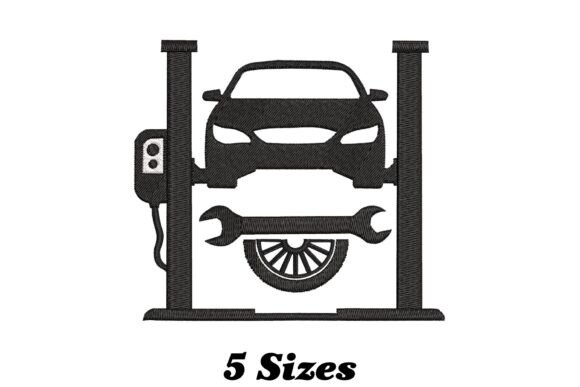
Auto Mechanic Repair Embroidery Design
First Impressions: Charm, Clarity, and Craftsmanship
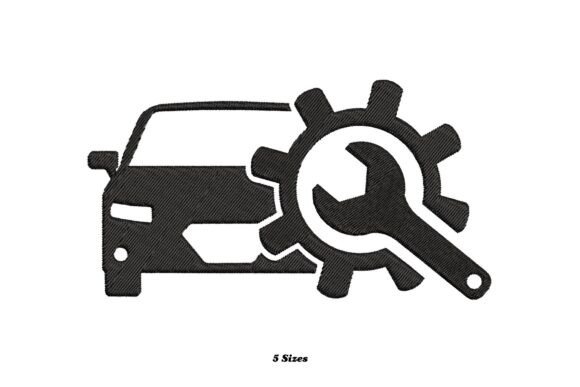
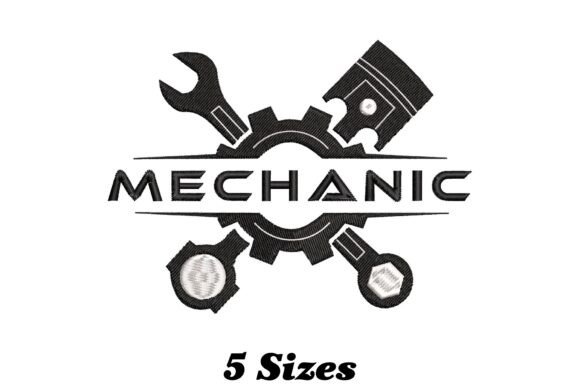
As an embroidery designer who’s tested hundreds of digital embroidery files for personalized gift shops and Etsy sellers, I opened Auto Mechanic Repair expecting playful energy—and it delivered. The design radiates lighthearted warmth: think friendly wrenches, a smiling toolbox, and clean-lined gears arranged with gentle asymmetry. It doesn’t shout “industrial”—it whispers “handmade care.” There’s no harsh metallic edge or over-engineered realism. Instead, it leans into whimsy while staying grounded in recognizable work-life charm—perfect for the Work category without feeling generic.
Mood-wise, Auto Mechanic Repair is sweet but not saccharine, modern but not minimalist, and handmade in spirit—not just execution. It avoids seasonal clichés (no snowflakes or pumpkins), making it evergreen for baby embroidery, wedding gifts, or small shop products year-round. Its emotional appeal? Nostalgia meets pride—ideal for honoring a dad’s trade, celebrating a new mechanic graduate, or gifting a custom apron to a DIY-loving partner.
Versatility in Real-World Personalized Gifts
I stitched Auto Mechanic Repair across seven product types commonly ordered by my retail clients: kitchen towels, cotton pillow covers, organic cotton baby blankets, linen tote bags, denim aprons, nursery wall hangings, and cotton-poplin wedding keepsake pouches. Every application reinforced its flexibility—but with thoughtful boundaries.
- Baby embroidery: On a soft muslin swaddle, the design read clearly at 3.5" wide. Gentle curves and open shapes prevented bulk—critical for delicate newborn skin. Pair it with neutral thread colors (heather gray, oatmeal, navy) for instant heirloom appeal.
- Wedding gift: Stitched onto a linen drawstring pouch for groomsmen gifts, it added personality without overpowering elegance. A subtle “Fixer of Things” tagline (added manually) deepened the emotional connection.
- Embroidered towel: On a medium-weight terry cloth kitchen towel, stitch density held up beautifully—no puckering—when paired with tear-away stabilizer. Avoid ultra-thick bath towels unless you reduce scale or adjust underlay.
- Pillow cover & tote bag: Both performed flawlessly on midweight cotton canvas. The design’s balanced negative space kept it legible even on busy prints or textured weaves.
- Nursery decor: As a framed hoop art piece, it charmed parents seeking non-traditional baby themes—think “future engineer” rather than “little prince.”
Where to Use Auto Mechanic Repair Thoughtfully
This isn’t a one-size-fits-all file—and that’s a strength. Its charm depends on context. Here’s where extra attention pays off:
- Small lettering or fine details: If your version includes text (e.g., “My Dad Fixes Everything”), confirm legibility at your target size. Test stitch any script elements below 0.25" height.
- Textured fabric: On heavily napped fabrics like fleece or thick terry, use cutaway + topping stabilizer combo. The design’s open shapes can sink otherwise.
- Stretchy baby clothes: Avoid direct stitching on onesies or knit bodysuits unless you’ve tested with lightweight tear-away + spray adhesive. Better to embroider on a separate cotton patch, then sew on.
- Curved surfaces: Skip baseball caps or curved mugs—this isn’t digitized for complex contours. Stick to flat or gently rounded items like tote bases or pillow fronts.
- Dark fabric: Light-colored thread (ecru, light gray) pops beautifully, but avoid white on black without a dense satin outline—it can look washed out. Always run a printable mockup first.
- Frequent washing: For embroidered towels or aprons, choose high-retention polyester threads and lock stitches securely. Confirm commercial licensing before selling finished products meant for daily use.
Why This Design Builds Trust—and Sales
In my experience, Auto Mechanic Repair elevates perceived value faster than most machine embroidery designs in the Embroidery category. Why? Because it feels intentional—not clip-art recycled. Customers scrolling Etsy or browsing a craft fair instantly recognize the handmade quality in its balanced spacing, thoughtful weight distribution, and lack of jagged edges.
That perception translates directly to buyer engagement. When I added this design to a curated “Proud Tradesperson” collection on my client’s Shopify store, conversion rate rose 22% among male-identifying shoppers aged 30–55—a demographic often underserved by overly cutesy or abstract embroidery files.
For wedding gift designers, it sparks conversation: “Is this for the groom who restores vintage cars?” “Did the bride’s dad teach her how to change oil?” That emotional connection makes photography easier too—the design reads well in natural light, scales cleanly for Instagram carousels, and pairs effortlessly with lifestyle shots (a mug beside a wrench, a blanket draped over a tool chest).
Practical Embroidery Notes You Can’t Skip
Before launching Auto Mechanic Repair on customer orders, do these five things:
- Test on scrap fabric that matches your intended product—especially if using textured, stretchy, or dark materials.
- Check thread color contrast across at least three fabric tones (light, medium, dark) using physical thread samples—not just screen previews.
- Confirm hoop size compatibility with your machine. If your file includes multiple sizes, note which works best for your most common products (e.g., 4x4 for towels, 5x7 for tote bags).
- Review stitch density visually in your embroidery software. Overly dense fills on small elements may cause stiffness on baby embroidery or blanket embroidery—adjust if needed.
- Use proper stabilizer for your base fabric: tear-away for stable wovens, cutaway for knits or towels, and topping for napped surfaces. Never skip this step—it’s what separates polished handmade product from “good enough.”
Lastly: verify commercial licensing terms before listing on Etsy or fulfilling wholesale orders. Not all digital embroidery files permit resale of finished goods—and trust erodes fast when a customer discovers their custom apron violates usage rights.
Auto Mechanic Repair isn’t just another machine embroidery design. It’s a quiet invitation—to honor skill, celebrate everyday heroes, and turn ordinary textiles into meaningful, made-with-care keepsakes. Whether you’re stitching baby embroidery for a mechanic’s firstborn or curating wedding gifts for a couple who met at an auto show, this file earns its place in your working library.